Unveiled: The Hidden Dangers of Not Changing Spark Plugs - Identify These 3 Early Signals to Protect Your Engine.
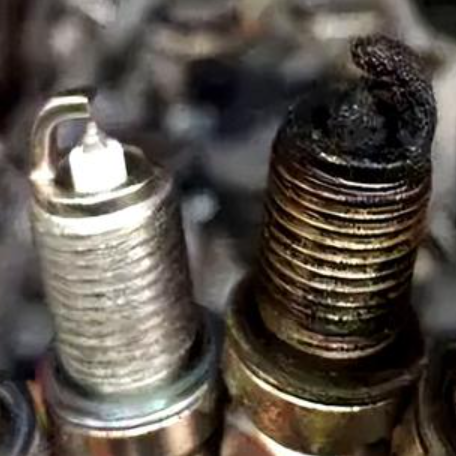
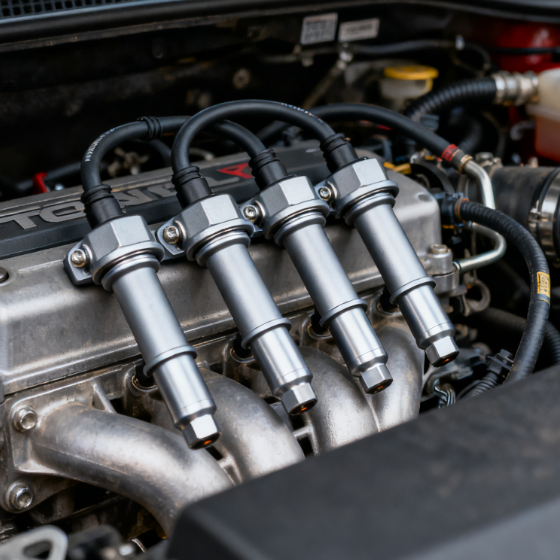
For many car owners, their vehicle is like a family member, and they take great care of it. We all know we need to change the engine oil and air filter regularly. However, there's a small part hidden deep within the engine that is often overlooked: the spark plug. Many people think that as long as the car can still run, there's no need to worry about it. Some even drive their cars to the scrapyard without ever changing the spark plugs. But there's a common saying online: failing to replace spark plugs in time is like slowly destroying your engine.Is this just anxiety concocted by repair shops to make more money, or is it genuine advice? Today, let's talk about this in plain language that everyone can understand.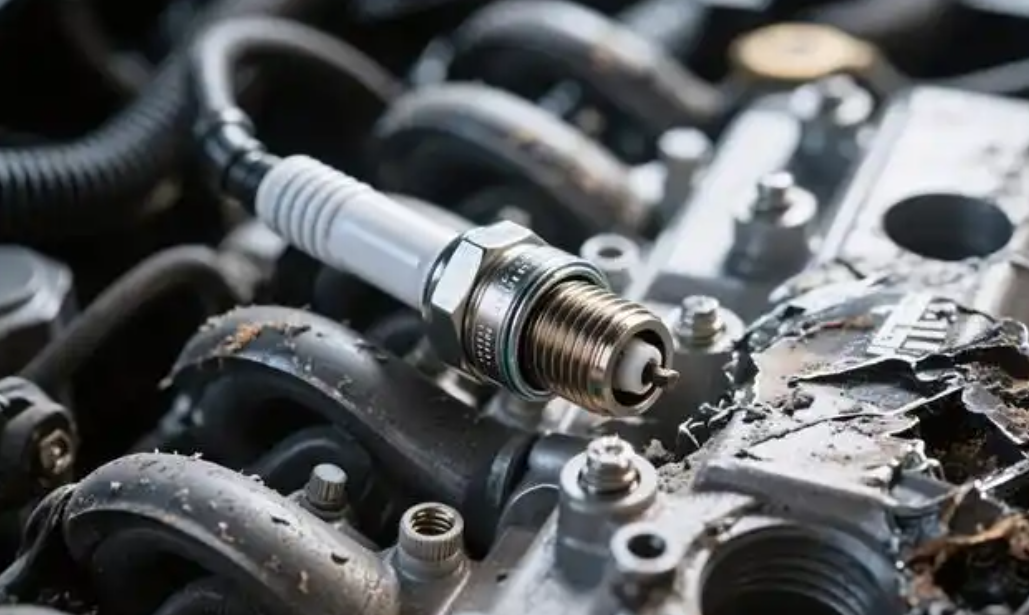 First, we need to understand what a spark plug is and what it does in the car. You can think of it like the ignition device on a home gas stove. The engine needs to burn a mixture of gasoline and air to generate power. The spark plug's job is to create a high-voltage electric spark at the critical moment to ignite this mixture .This action seems simple, but it has extremely high requirements for timing and energy. While your car is on the road, the engine speed might reach two to three thousand revolutions per minute. This means the spark plugs in a four-cylinder engine must fire accurately thousands of times per minute.It's the "ignition commander" of the engine. The quality of each spark directly affects your car's power, smoothness, and fuel consumption.Given its frequent operation, it naturally wears out and ages. Just like a lighter's flint wears down over time, producing a weaker flame, a spark plug's electrodes gradually wear down, leading to decreased ignition energy .So, when this "ignition commander" starts to slack or fails, our car "complains" to us in specific ways. If you notice the following signs, it's likely the spark plug reminding you: "I'm almost done, it's time for a change!"The first, and most easily noticeable sign, is engine judderingThis shaking is particularly evident in two situations. One is idle shaking – for example, when you're waiting at a red light, the car is stationary, but you feel rhythmic, slight tremors through the steering wheel or seats, as if the body is trembling. The other is acceleration juddering – when you press the accelerator to speed up, the car doesn't move forward smoothly but feels jerky, as if the power is cutting in and out .The reason is simple. Imagine a four-cylinder engine like four strong men pushing a car together. Normally, all four spark plugs fire simultaneously, and all four men push together, making the car move steadily and powerfully. But if one spark plug fails to ignite, it's like one strong man suddenly stops pushing. The remaining three are still pushing, and this imbalance in force causes the car to shake and judder . This condition is called "misfiring" in technical terms. It's not only unpleasant to drive but also represents significant waste and potential damage.The second signal is difficulty starting the car.Many owners find that while the car used to start energetically – turning the key or pressing the start button would immediately result in the engine roaring to life – now it cranks for several seconds, sometimes even requiring two or three attempts to start successfully. Sometimes, after finally starting, the engine sounds particularly loud and shakes severely before gradually calming down .This is a classic symptom of aging spark plugs. Worn spark plugs have a larger electrode gap, requiring a higher ignition voltage, while their own generated spark energy weakens. This is especially true on cold mornings when gasoline atomization is poor, demanding a stronger spark for ignition .A weak spark is like trying to light a slightly damp pile of wood with a nearly spent match – naturally, it takes several attempts. Repeated starting not only is frustrating but also places a significant burden on the battery and starter motor, greatly shortening their lifespan over time.The third signal, while less direct than the first two, is the most damaging to your wallet: sluggish acceleration along with noticeably increased fuel consumption.You'll feel the car is "sluggish." The accelerator response is slow, especially when going uphill or needing rapid acceleration for overtaking. You press the pedal, hear the engine RPM increase and the sound get louder, but the speed increases slowly, feeling like the power isn't keeping up .At the same time, you'll find yourself visiting the gas station more often. A full tank that used to last 500 kilometers might now trigger the low fuel warning after just over 400 kilometers. According to feedback from many car owners, fuel consumption can commonly increase by 15% to 20% when Spark Plug Performance severely declines . The math is simple: weak spark plug ignition leads to incomplete combustion of the gasoline in the cylinders, wasting a lot of energy. Where one unit of fuel used to produce ten units of force, it might now only produce seven. To achieve the same power as before, the engine control unit commands the fuel injectors to spray more fuel, compensating for the lack of combustion efficiency. Thus, without feeling much increase in power, you see a real rise in fuel costs. The extra money spent on fuel in a year could likely cover the cost of several sets of high-quality spark plugs.
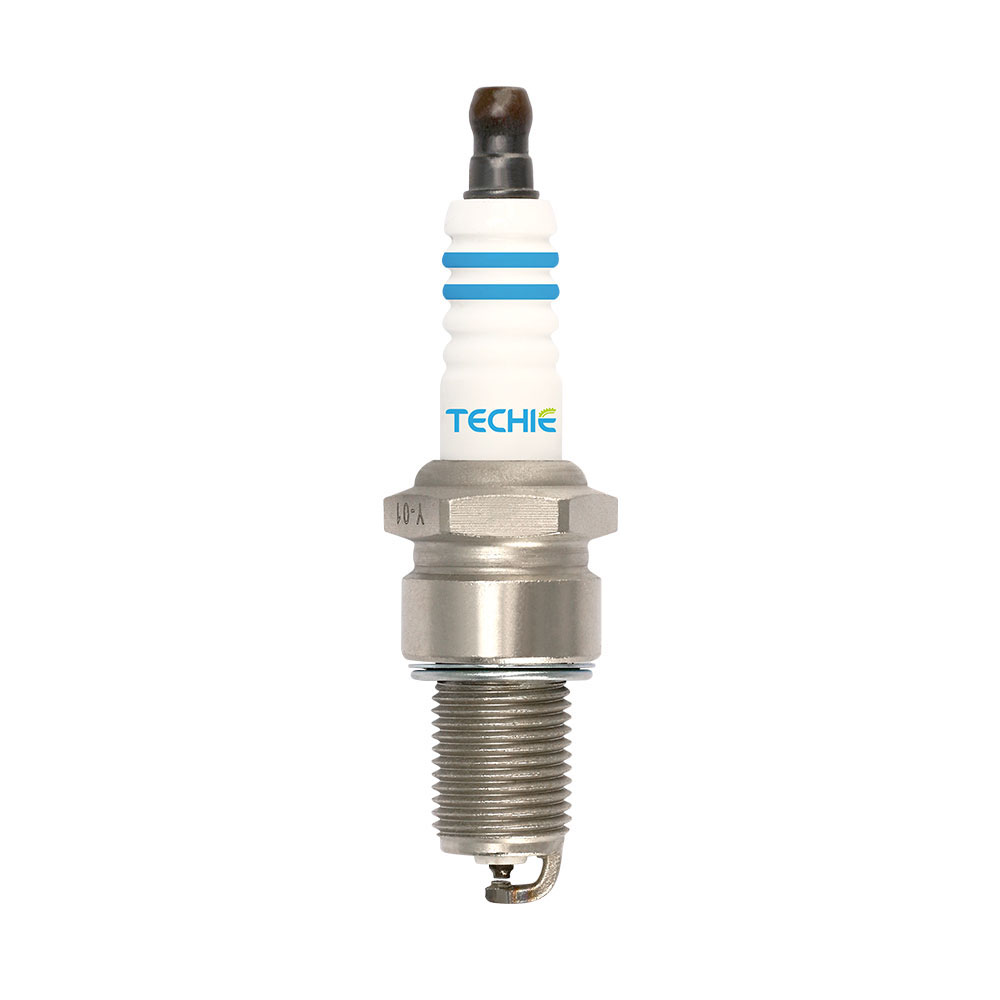
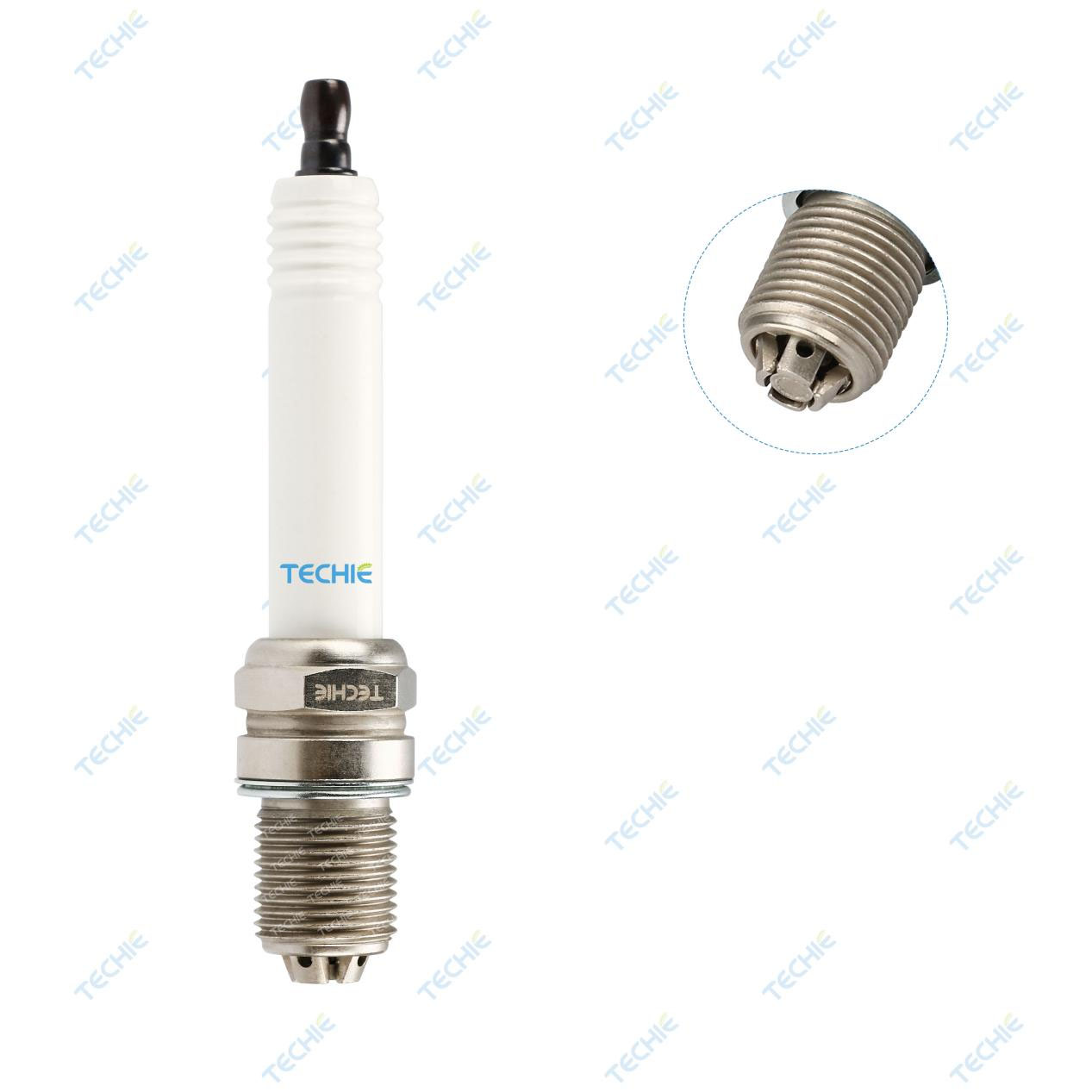
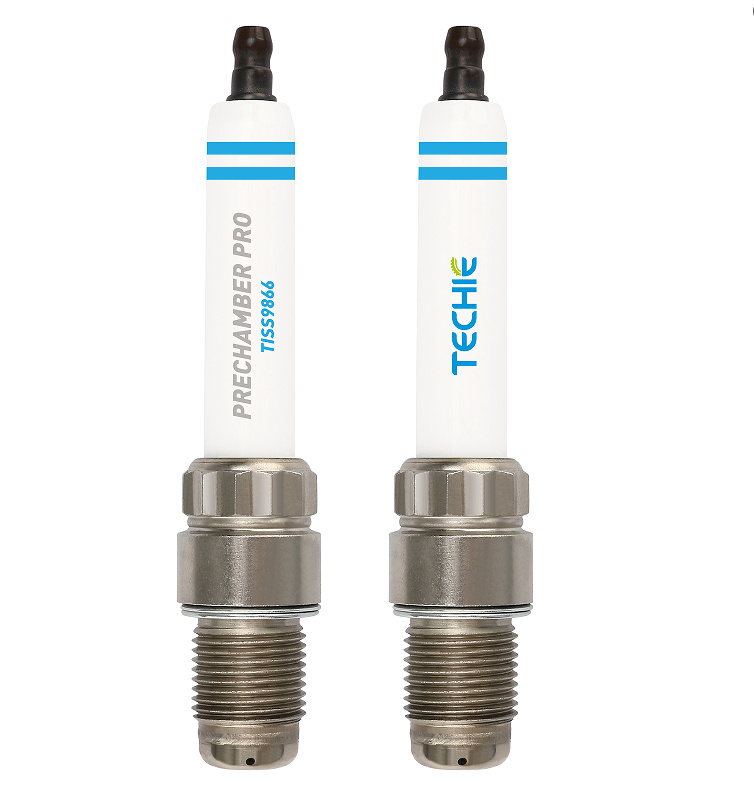
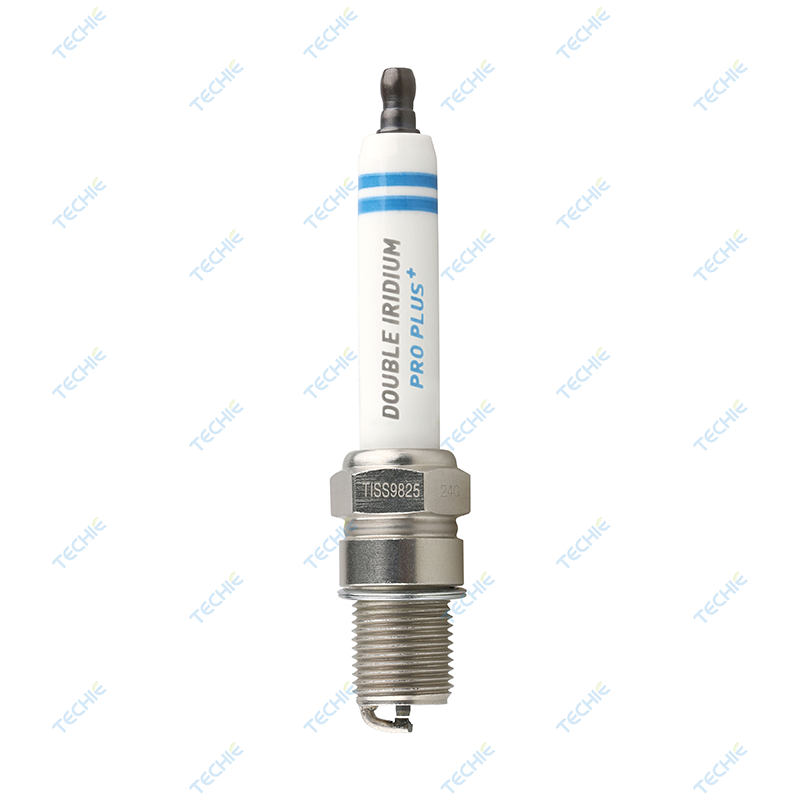
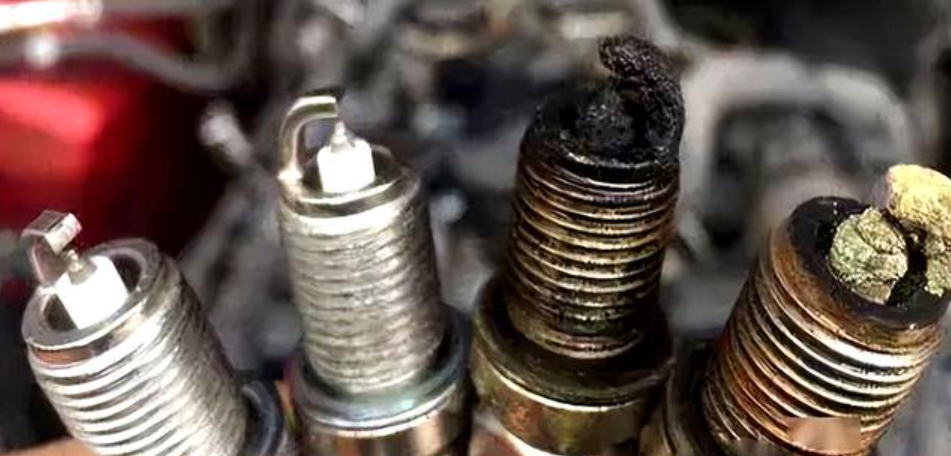 If the above three signals are just "warnings," and you think you can keep driving for a while, then what follows might be the "heavy penalty."Long-term poor performance from spark plugs, leading to incomplete combustion, can have two very serious consequences.First, it can damage the catalytic converter. The catalytic converter is a key component in the exhaust pipe that purifies exhaust gases. Its interior is a honeycomb-like ceramic structure coated with precious metals and is very expensive, often costing thousands or even over ten thousand currency units. When a spark plug fails to ignite, the unburned gasoline from that cylinder is directly pushed into the hot exhaust pipe. This liquid gasoline can ignite upon meeting the high temperatures of the catalytic converter, causing its internal temperature to spike far beyond its design limits, ultimately leading to it being burned out or clogged . If the catalytic converter is damaged, not only will the vehicle fail emissions tests, the engine warning light will illuminate, power will drop, and the replacement cost will be painfully high.Second, it can directly damage the engine. Incomplete combustion produces large amounts of carbon deposits. These black, tar-like substances adhere to the piston tops, valves, and combustion chamber walls. When carbon buildup reaches a certain level, in the engine's high-temperature and high-pressure environment, they can become individual "little igniters," prematurely igniting the air-fuel mixture before the spark plug fires . This abnormal combustion is called "knocking" or "detonation." Knocking is devastating to the engine. It creates powerful shockwaves, like someone hammering randomly inside the cylinder. In mild cases, it reduces engine power; in severe cases, it can shatter pistons, damage connecting rods, or even score the cylinder walls . At that point, it's not a matter of replacing a few spark plugs; it requires major engine overhaul at great expense. This is the origin of the saying "not changing spark plugs ruins the engine."Therefore, we cannot take this small component lightly. Spark plugs have a limited lifespan. The most common nickel-alloy spark plugs are generally recommended for replacement every 30,000 to 40,000 kilometers. Better materials like platinum or iridium plugs last much longer, up to 80,000 or even over 100,000 kilometers, but they are not permanent and also require regular inspection .Nowadays, China's automotive parts industry is developing rapidly. The technology and quality of many domestic brands have reached world-class levels. For example, older domestic brands like TECHIE produce iridium spark plugs whose ignition performance, durability, and stability are fully comparable to international big brands, often at a more affordable price. Choosing such high-quality domestic products when replacing spark plugs ensures your car's performance while saving money, and is a practical way to support the advancement of our national manufacturing.Therefore, in daily car use and maintenance, paying attention to these signals from your car and regularly checking the condition of your spark plugs, then choosing suitable, high-quality products for replacement, is not only responsible for your wallet but also a wise practice for ensuring driving safety and the vehicle's longevity.